


 Українська
 Русский
Thermo-ash or terrace tiles: which is better for the floor?
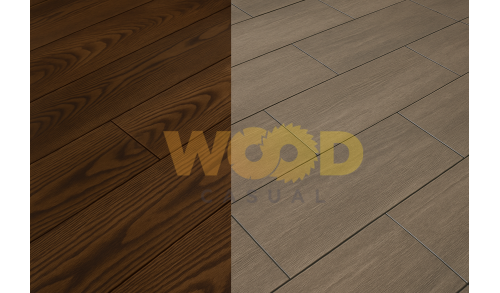
Arrangement of the terrace area is an important stage of site improvement. When choosing a finishing material, owners are faced with two popular options - thermally modified ash and terrace tiles. To make an informed decision, it is necessary to consider the features of each coating, their pros, cons, as well as technical and operational characteristics.
Thermally modified ash - what is it?
Thermally modified ash is ash wood that has undergone special heat treatment at temperatures up to 220°C. This technology allows you to change the structure of the wood, increase its resistance to moisture, decay and insects. The result is a stable and wear-resistant material - thermally modified ash board.
Advantages of thermally modified ash
The main advantages of thermally modified ash:
Aesthetic appearance with a noble texture;
Increased resistance to moisture and temperature changes;
Naturalness and environmental friendliness;
Resistance to mold and mildew;
Durability.
Many people choose thermo-ash boards as a finishing coating due to their natural origin, decorative properties and ability to maintain geometry even with fluctuations in humidity.
Disadvantages of thermo-ash
Despite its advantages, the material also has its disadvantages. The main disadvantages of thermo-ash are its high cost and the need for regular maintenance. Without oil treatment, thermo-wood loses its color saturation over time. It is also susceptible to mechanical damage and requires careful handling.
Decking tiles - what is it?
Decking tiles are artificial or ceramic materials intended for outdoor use in open areas - terraces, balconies, paths. They are made of clinker, porcelain stoneware, concrete mixtures, often have a non-slip coating and are resistant to external influences.
Advantages of decking tiles
The main advantages of decking tiles include:
High mechanical strength;
Frost resistance;
Minimal maintenance;
Resistance to ultraviolet radiation and moisture;
Variety of shapes and shades.
Disadvantages of deck tiles
Despite its advantages, the disadvantages of deck tiles should also be taken into account. They are quite cold to the touch, require a flat base and proper installation. If laid incorrectly, cracks may occur. Also, when wet, some types become slippery, despite the declared anti-slip coating.
Service life and care of terrace tiles
The service life of deck tiles reaches 25-30 years with high-quality installation and compliance with technology. It does not require special care, regular wet cleaning is enough. Maintenance of deck tiles is minimal, but if dirt appears, it is necessary to use non-abrasive products.
How long thermally modified ash lasts depends on the conditions of use and care. With proper maintenance, its service life is 20-25 years. Maintenance of thermally modified ash requires annual application of protective oil and periodic cleaning from dirt.
Cost and reviews of terrace tiles
How much deck tiles cost depends on the material: porcelain stoneware will cost less than clinker or concrete options. Where to buy thermally modified ash - in specialized stores of finishing materials, garden centers and online stores.
According to the reviews of deck tiles, users appreciate their durability and appearance, but note the difficulty of replacing damaged elements. Thermally modified ash reviews are mostly positive - owners praise its naturalness and comfort, but warn about the need for regular maintenance.
Comparison of thermally modified wood and deck tiles
Comparison of thermally modified wood and deck tiles helps to determine which option is more suitable for specific operating conditions. Below is a brief summary:
How deck tiles differ from thermally modified ash - material (artificial versus natural), tactile sensations, method of care;
How thermally modified ash differs from deck tiles - greater warmth, natural texture and the need for regular care;
Pros and cons of deck tiles for floors - durability and strength versus potential slipperiness and high thermal conductivity.
Deck tiles or thermally modified ash - which is better?
The main question: deck tiles or thermally modified ash, which is better? It all depends on the conditions:
For areas with high traffic and low requirements for naturalness - tiles;
For cozy terraces where comfort and appearance are important - thermally modified ash.
The choice depends on the climate, budget and personal preferences. Many also ask what is better, thermally modified ash or deck tiles, for regions with humid weather - here tiles can win in practicality, but thermally modified wood will fit better into the design of a natural area.
If you value environmental friendliness and aesthetics, choose thermally modified ash. If durability and ease of maintenance are important, deck tiles are better. Both thermally modified ash and tiles can last for decades with proper use.
It is also worth noting that thermo ash is an excellent choice for those who are looking for a combination of aesthetics and durability, while tiles are a solution for practical people. The choice depends not only on the cost, but also on the degree and your participation in maintenance. For some, naturalness is more important than operational advantages. And the advantages of terrace tiles will convince those who are looking for stability and minimum hassle.
05/08/2025